
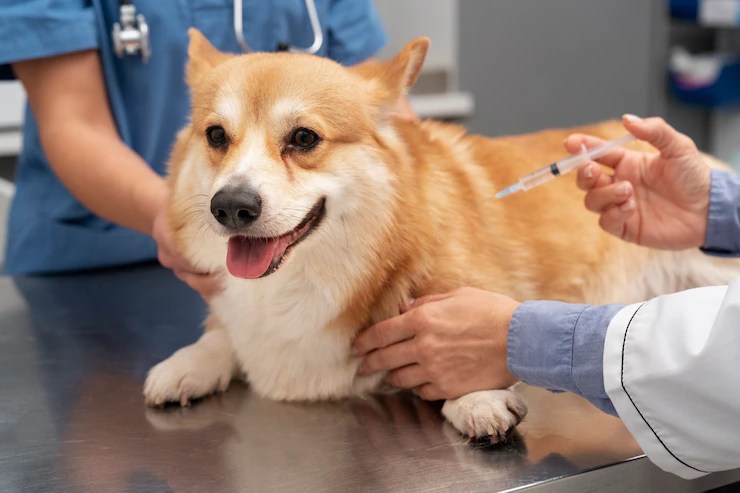
When it comes to keeping your furry friend healthy and happy, setting up a proper vaccination schedule is crucial. Vaccinations protect your pet from potentially deadly diseases and play a significant role in their overall well-being. In this guide, we will provide you with essential information on how to create a vaccination schedule for your pet, ensuring they receive the necessary protection.
Understanding the Basics of Pet Vaccinations
\Establishing a well-planned vaccination schedule for your pet ensures they are protected against diseases that can be both life-threatening and preventable. Each vaccine is tailored to defend against specific pathogens, and understanding the unique requirements for your pet—based on their age, breed, and lifestyle—is essential for their health. Puppies and kittens typically follow a vaccination protocol that includes a series of shots in their first few months, while adult pets may require booster shots at regular intervals to maintain immunity. Work closely with a local clinic such as 1st Pet Veterinary Centers to identify the core vaccines needed, like rabies and distemper, as well as those that may be recommended based on your pet’s environment, such as kennel cough or Lyme disease vaccines. Keeping track of these vaccinations not only contributes to your pet’s health but can also be a requirement for boarding, grooming, or travel.
Core Vaccines for Dogs
Understanding the specific core vaccines for your dog is essential for protecting them from serious, often fatal diseases. Rabies, a virus that can be transmitted to humans, is not only a critical part of your dog’s health plan, but it’s also mandated by law in most states, making timely vaccination a necessity. Distemper poses a significant threat as it is highly contagious and can affect multiple organ systems, leading to severe health complications. Parvovirus, known for causing severe gastrointestinal distress, can be life-threatening, especially in puppies. Lastly, adenovirus can lead to both respiratory issues and liver disease. By ensuring your dog receives these vaccinations on schedule, you help safeguard their health and prevent outbreaks that can endanger other pets. Always consult with your veterinarian to tailor the vaccination plan according to your dog’s lifestyle and health history.
Non-Core Vaccines for Dogs
Certain diseases are more prevalent in specific areas, making non-core vaccines a necessary consideration for your dog’s health. These vaccines cater to specific risks associated with your dog’s environment and lifestyle, ensuring they receive targeted protection. For instance, leptospirosis, a bacterial infection prevalent in regions with standing water, poses a risk for dogs that frequently explore such areas. Bordetella, which causes kennel cough, is particularly important if your dog visits dog parks, boarding facilities, or grooming shops, as the disease spreads easily in group settings. Lyme disease, transmitted by ticks, can lead to severe joint pain and long-term health issues; thus, if your dog spends time in wooded areas or places with high tick activity, vaccination is highly advised. Discuss your pet’s habits, environment, and travel plans with your veterinarian to determine which non-core vaccines are appropriate for your dog’s vaccination schedule.
Core Vaccines for Cats
The core vaccines for cats include rabies, feline viral rhinotracheitis (commonly caused by herpesvirus), calicivirus, and panleukopenia (feline distemper). Rabies vaccination not only protects your cat but also ensures compliance with local laws. Feline viral rhinotracheitis and calicivirus can lead to severe respiratory issues that may require hospitalization, making timely vaccinations essential in preventing outbreaks. Panleukopenia is particularly dangerous and can be fatal, especially for kittens. It’s recommended that you start vaccinations early in your kitten’s life, typically around six to eight weeks, followed by a series of booster shots until they are about 16 weeks old. Monitoring your cat’s health and staying up to date with these vaccinations will help provide robust protection against these diseases, contributing to a longer, healthier life for your feline friend. Regular discussions with your veterinarian are crucial for personalizing the vaccination schedule based on your cat’s unique lifestyle and risk factors.
Non-Core Vaccines for Cats
Given the increasing incidence of specific feline diseases, understanding non-core vaccines becomes a crucial aspect of protecting your cat’s health. The feline leukemia virus (FeLV) can severely compromise your cat’s immune system and is particularly concerning for outdoor cats or those in multi-cat households, as it spreads through direct contact. Similarly, the feline immunodeficiency virus (FIV), which also impacts the immune system, is primarily spread through bite wounds, making vaccination imperative for cats that have aggressive tendencies or encounter strays. Additionally, consider that regional factors may affect the prevalence of these diseases; for example, if you live in an area with a high population of stray cats, the risk of FeLV increases. To tailor your cat’s vaccination schedule, discuss their lifestyle and environment with your veterinarian, ensuring they receive the targeted protection they need to thrive.
Developing a Vaccination Schedule
To ensure your pet receives the important vaccinations they need at the right time, it’s crucial to develop a tailored vaccination schedule based on their age and lifestyle. Start by scheduling your puppy or kitten’s first vaccinations between 6 to 8 weeks of age, along with a series of follow-up shots spaced a few weeks apart, usually until they are about 16 weeks old. This initial series protects them during their most vulnerable stages. For adult dogs and cats, keep in mind that specific boosters are required to maintain immunity levels, often annually or every three years, depending on the vaccine type. Document each vaccination with your veterinarian, noting the dates and types of vaccines administered, so you can easily track when boosters are due. Additionally, factor in your pet’s environment; for instance, if they frequent dog parks or interact with other animals, a more rigorous schedule may be necessary to prevent outbreaks of communicable diseases. Regularly reviewing the vaccination schedule with your vet will ensure that it meets your pet’s unique health needs and lifestyle changes throughout their life.
Annual Wellness Exams
In addition to vaccinations, annual wellness exams help uncover health issues that may not be immediately apparent, ensuring that your pet remains in peak condition. During these comprehensive check-ups, your veterinarian can perform a thorough physical examination, assess your pet’s weight, dental health, and overall behaviour, and evaluate any changes since the last visit. This proactive approach allows for early detection of potential health problems, such as heart disease or arthritis, which can drastically enhance your pet’s quality of life. It’s also the perfect opportunity to discuss your pet’s vaccination history and adjust their vaccination schedule as needed based on their health status or lifestyle changes. By documenting findings from each exam, you can easily track your pet’s health over time, leading to more informed decisions about their care. Remember, maintaining regular wellness exams alongside vaccinations is a fundamental part of ensuring a long, happy life for your beloved companion.
Monitoring Your Pet’s Health
Observing your pet’s health after vaccinations helps identify any immediate reactions that could affect their well-being. Some pets may experience mild side effects, such as drowsiness, slight fever, or minor swelling at the injection site, which are generally short-lived. However, more severe reactions, though rare, can occur, including difficulty breathing, excessive vomiting, or a sudden loss of consciousness, indicating a possible allergic reaction. As a responsible pet owner, it’s important to monitor your pet closely for at least 24 to 48 hours following vaccination. Keep a watchful eye on their energy levels and appetite, and note any unusual behaviors. If you observe anything concerning, don’t hesitate to contact your veterinarian. By staying vigilant during this recovery period, you contribute to your pet’s overall health and ensure that any necessary follow-up care is addressed promptly.
By following these guidelines and working closely with your veterinarian, you can ensure that your pet stays protected against preventable diseases through a well-planned vaccination schedule tailored to their specific needs. Remember that proper care and attention are key to maintaining your furry companion’s health and happiness.
 The Pet News Blog